

How To Repair Jointed Arms On A Clay Statue
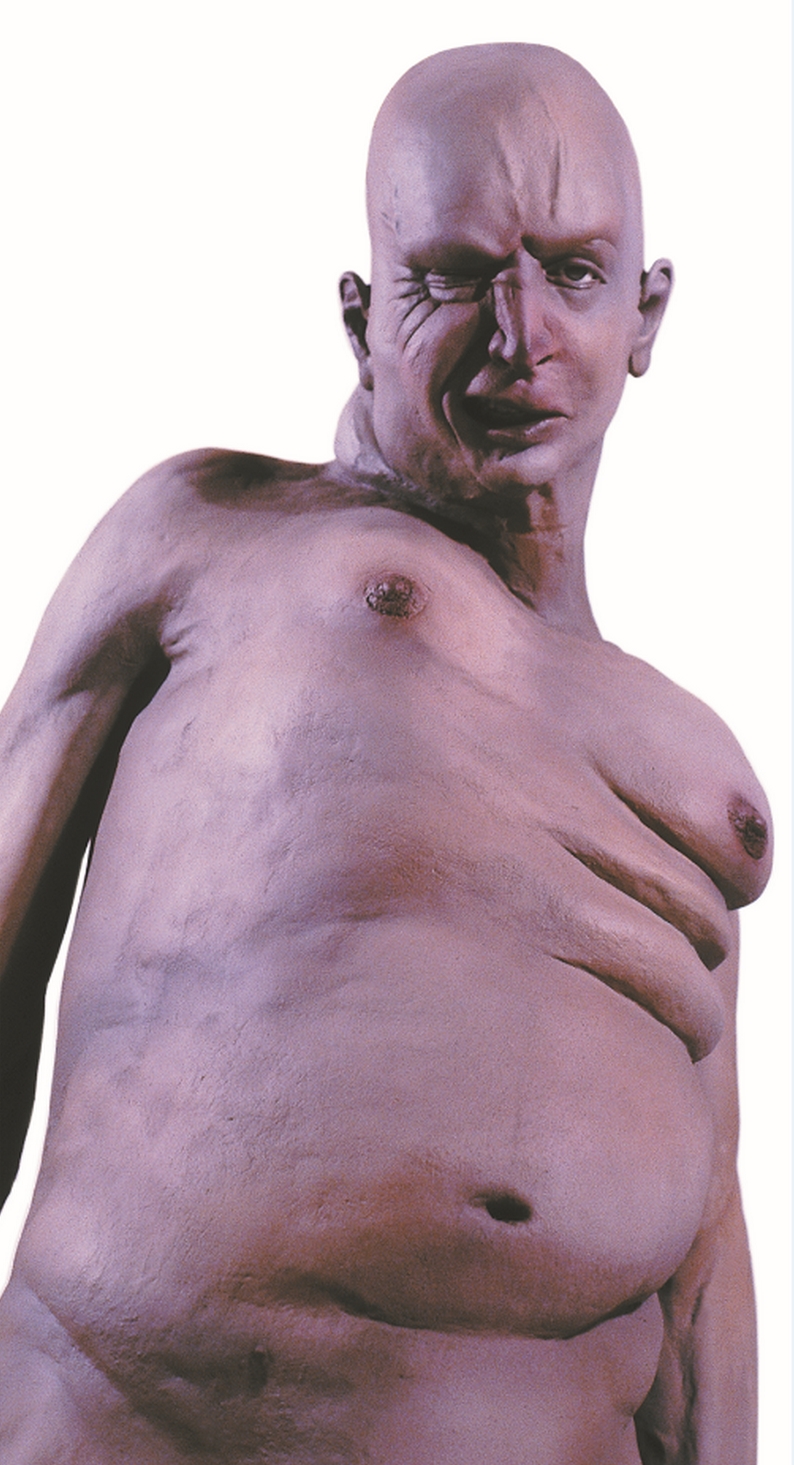
What the… heck are these figures made of? Clay. These ceramic figures were created by Alma, Michigan sculptor, Curt LaCross. LaCross uses a mixture of WEST SYSTEM® epoxy and clay to gather and finish large figures that must be fired in pieces.
Readers may remember LaCross from the back folio of Epoxyworks xx, as the ceramicist who kept the terra cotta "Sparty" statue on the MSU campus from falling apart.
LaCross begins past fabricating the clay pieces, so disassembles them and then they tin be properly fired. In the total figures, he creates joints at the talocrural joint, the knee, the upper leg, the waist, the arms and the neck. He bevels the edges of the joints to create a depression for the epoxy. He likewise roughs upward the depression with a wire brush to give the clay some tooth and provide a textured bonding surface for the epoxy.
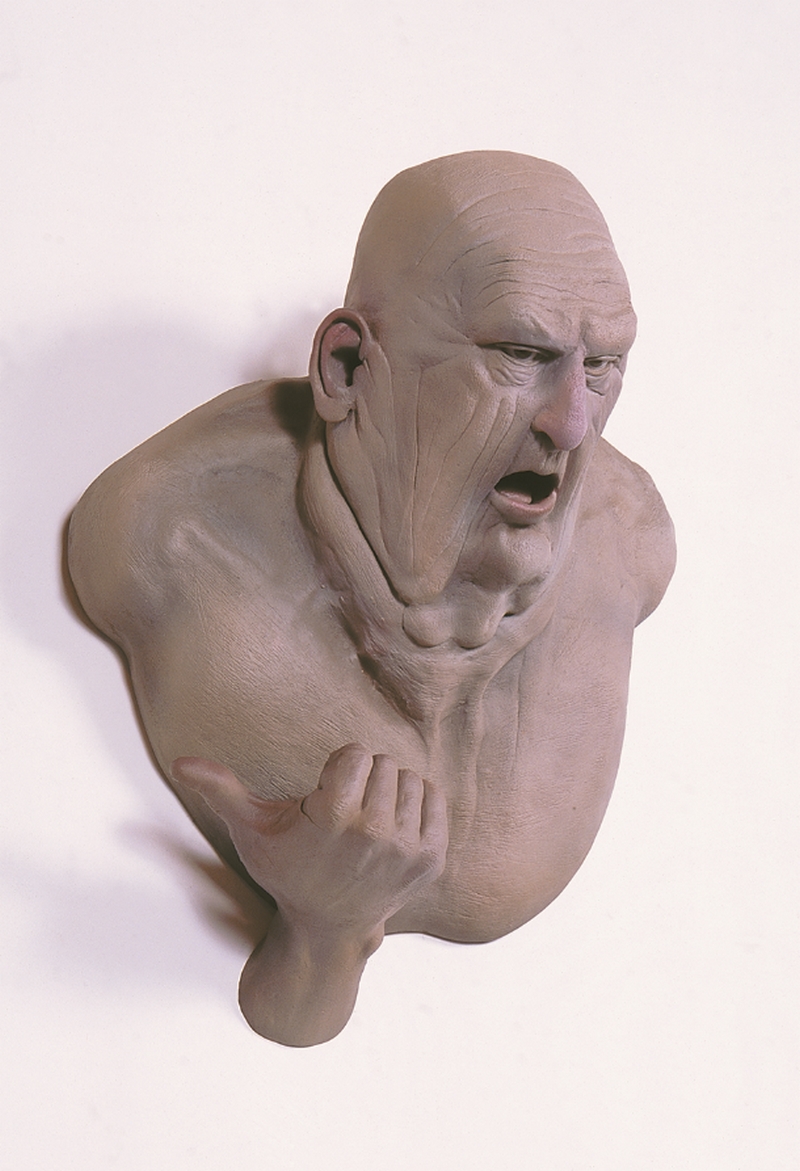
After all of the joints are prepared, LaCross loads the pieces into the kiln, fires them and reassembles them. He reassembles the work using epoxy thickened with powdered ball dirt. He slowly mixes the clay into a small batch of 105 Resin/206 Slow Hardener until it reaches a putty-like consistency. Wearing latex gloves, he thoroughly kneads the mixture in his hands. He then applies the mixture to the joints. As the pieces are joined, he fills the joint depressions flush and smoothes the surface with denatured booze. Once the epoxy has cured, the pieces are painted with acrylic paints.
LaCross says that the nice thing about using brawl clay as a filler is that information technology will become quite putty-like as opposed to some of the other fillers he has tried. He has establish this epoxy putty to be extremely stiff and, due to the plastic qualities of the brawl clay, very easy to piece of work with.

Source: https://www.epoxyworks.com/index.php/curt-lacross/
Posted by: evansfrach1981.blogspot.com
0 Response to "How To Repair Jointed Arms On A Clay Statue"
Post a Comment